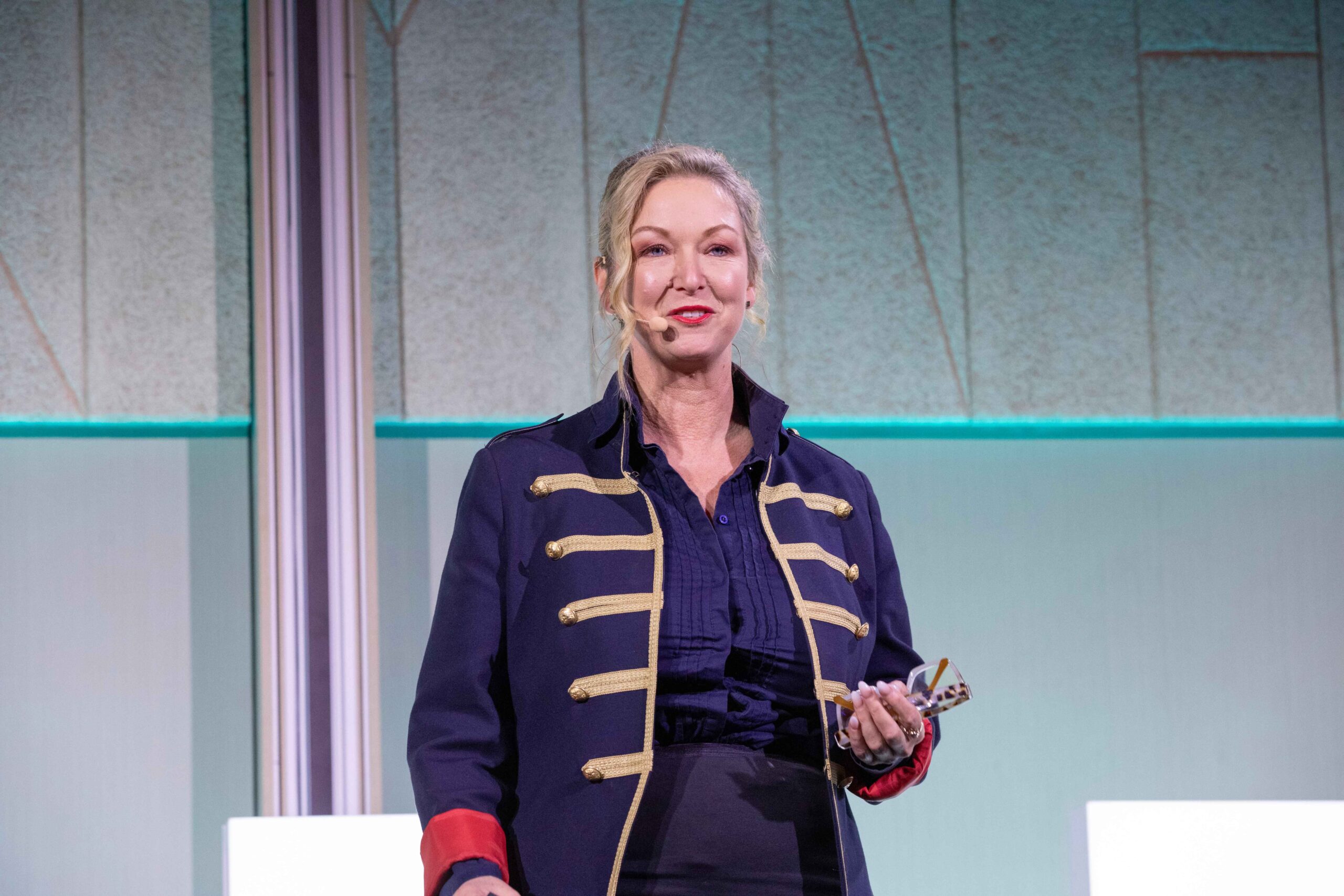

AI is rapidly becoming part of everyday life. Across industries, it is being used to enhance efficiency and improve client experiences. As these tools become more and more accessible, many beauty and wellness professionals may be feeling both excited and slightly overwhelmed by what this shift means for their day-to-day. How do we embrace the benefits of AI while honoring and upholding the human connections that define our industry?
According to AI ethicist and cultural futurist Dr Lollie Mancey, the answer lies in thoughtful integration. AI is not here to replace relationships, but to support them. Its real value comes from using it in ways that enhance personalization and strengthen connection between teams and clients. The business that will see the best results won’t necessarily be the ones that adopt it first, but those that adopt it most responsibly. As you begin integrating AI, the key is to do so with trust and conversation between your team and your guests at the forefront.
What AI actually is (and what it isn’t)
Before we delve into exploring how AI fits into everyday salons, spas, and clinics, it’s important to address the questions many business owners are asking today:
- What actually is AI?
- How should we engage with it?
- What does it mean for the beauty and wellness industry?
At its core, AI is prediction and pattern recognition. It uses large datasets to identify patterns and predict behavior or outcomes. In a salon environment, this could mean predicting when a client is likely to book again or suggesting treatments based on their history.
What AI is not, however, is sentient. Not at this stage, at least. It isn’t emotional and it doesn’t understand relationships the way humans do. It cannot replace the connections that professionals build with the person in their chair. Instead, AI tools can be used to support those relationships by offering insights and helping deliver personalized experiences.
How AI is already embedded into the beauty industry
The beauty industry already accounts for a significant share of global AI usage. Professionals are leveraging AI through diagnostic tools, personalized product recommendations, predictive marketing, and automated booking optimization.
What’s changing now is accessibility. Tools like Phorest AI mean this technology is no longer limited to large beauty brands. It’s becoming available to salons, spas, and med spas everywhere. This widespread adoption is shaping new client expectations, and top performing businesses must adapt to stay ahead of the curve.
The next generation of beauty clients
As businesses head into the future, they are interacting with the next generation of beauty consumers. Gen Z and Gen Alpha have grown up fully immersed in technology. They expect instant responses and highly personalized experiences. Dr Mancey’s research reveals that 76% of Gen Z and Gen Alpha consumers are more likely to stay loyal to a brand when they receive personalized recommendations. At the same time, this group has a highly attuned “BS detector.” They are skeptical of inauthentic marketing and demand value alignment from brands.
Having lived formative years through the pandemic, this generation craves connection and community. They also link beauty to personal identity and self expression, while connecting wellness to their self-care routines. Beauty is no longer just about appearance, it’s about feeling good and showing who they are.
Dr Mancey highlights: “They know beauty is not about appearance. We’re seeing such a shift in the way they conceive the world. It’s about identity and care and belonging and self expression.”
For salons, spas, and med spas, this represents an opportunity: to become community spaces that meet these clients where they are. It’s important to note that success requires balancing tech-enabled convenience with authentic human experiences. When engaging with this generation of clients, it is essential that AI tools enhance, rather than replace personal connection.
The rise of “The Phygital Experience”
As client expectations change, research points to the rise of “The Phygital Experience.” This model combines physical expertise with digital intelligence to create a client journey that is personalized and intuitive at every step.
In a phygital environment, technology works quietly behind the scenes, while human experience remains front and center. AI handles the invisible operational work and service providers focus on what they do best: building trust, showing care, and creating meaningful connections with clients.
With Phorest’s AI features, fostering the phygital experience that younger clients expect becomes simple:
Front Desk AI handles pre-appointment communications and frequently asked questions. It gets clients booked in quickly while freeing up the team to focus on the people in front of them. It also knows when to signal for a human to step in, ensuring that person-to-person connection is never lost when it matters most.
Cheat Sheet AI surfaces information, giving your team immediate insight into the client’s history and preferences. This means every team member is empowered to treat each client like an old friend, even if they’ve never met before. Cheat Sheet AI strengthens the sense of belonging that clients crave, making sure they feel valued and understood at every interaction.
The business benefits of AI
AI features can help salons, spas, and med spas deliver on client expectations effectively. With tools like Front Desk AI, repetitive tasks are streamlined and appointment utilization is optimized. What’s more, AI tools can be used for reporting, stock management, and smarter, more targeted marketing.
“We can see that AI marketing drives up about 30% [of engagement] because it’s more specific, it’s more nuanced,” says Dr Mancey.
Features like Cheat Sheet AI enable in-appointment hyper-personalization, allowing your team to anticipate client needs and deliver bespoke experiences. Research has found that this kind of insight can increase revenue by around 15%. It also strengthens the trust and loyalty clients feel toward your business.
As technology develops, researchers expect AI to become even more integrated into everyday life in the near future. Eventually, it could live in wearables that replace smartphones. These devices will be able to analyze habits, preferences, and even the wearer’s moods, predicting what treatment or service is most suited. AI is essentially making the invisible visible, and enabling an experience that feels effortlessly personalized, before the client even arrives.
The ethical considerations of AI in your business
While AI presents exciting opportunities for salons, spas, and med spas it’s important to bear in mind that not everyone will share this enthusiasm. Drawing on Dr Mancey’s insights, we must recognize that AI implementation should always start with conversation. It is essential that everyone involved feels comfortable and informed in their interactions with AI.
Before bringing in AI tools, business owners need to ask themselves:
- How does my team feel about this technology?
- How will my clients respond?
- Are we being transparent about how we use AI?
Going forward, “trust is going to be your biggest asset.” The businesses that succeed in implementing AI properly are those that stay human and protect their values. They will use AI as a supportive tool, not a replacement for their workforce.
Dr Mancey outlines the three key ethical principles for AI integration into salon, spa, and med spa workflows:
- Transparency: clients should understand when AI is involved.
- Choice: offer opt-outs to those uncomfortable with AI interaction.
- Authenticity: AI should never pretend to be human.
“AI support should feel like care, not surveillance. It should clarify, not confuse, and it should never ever ever pretend to be human.”
By prioritizing these principles, you and your team can leverage AI to enhance experiences without compromising the human connections that live at the core of your business.
Humans take center stage
As businesses across the beauty and wellness industry begin integrating AI tools into their workflows, one thing is clear: no one wants a fully AI-run salon. AI is not here to replace humans, but those who learn to work with it thoughtfully will see the greatest results.
With Phorest AI, your team stays intact, but more empowered than ever. Our newest features are designed to simplify admin and surface the right information at the right time, so each service provider can focus on building meaningful client relationships.
Leading businesses are moving toward an augmented salon, spa, and med spa environment, creating a phygital experience where AI manages the operational flow. From scheduling to insights, the technology works behind the scenes while humans remain front and center, delivering conversation, connection, and care.
“Use technology, but don’t lose you.”
Dr Lollie Mancey
Dr Lollie Mancey is an anthropologist, AI ethicist, leading cultural futurist, and TV presenter. She is known for translating complex, future-focused topics into accessible insights. Her perspectives on AI in the beauty and wellness industry were shared at the Phorest Summit 2026.