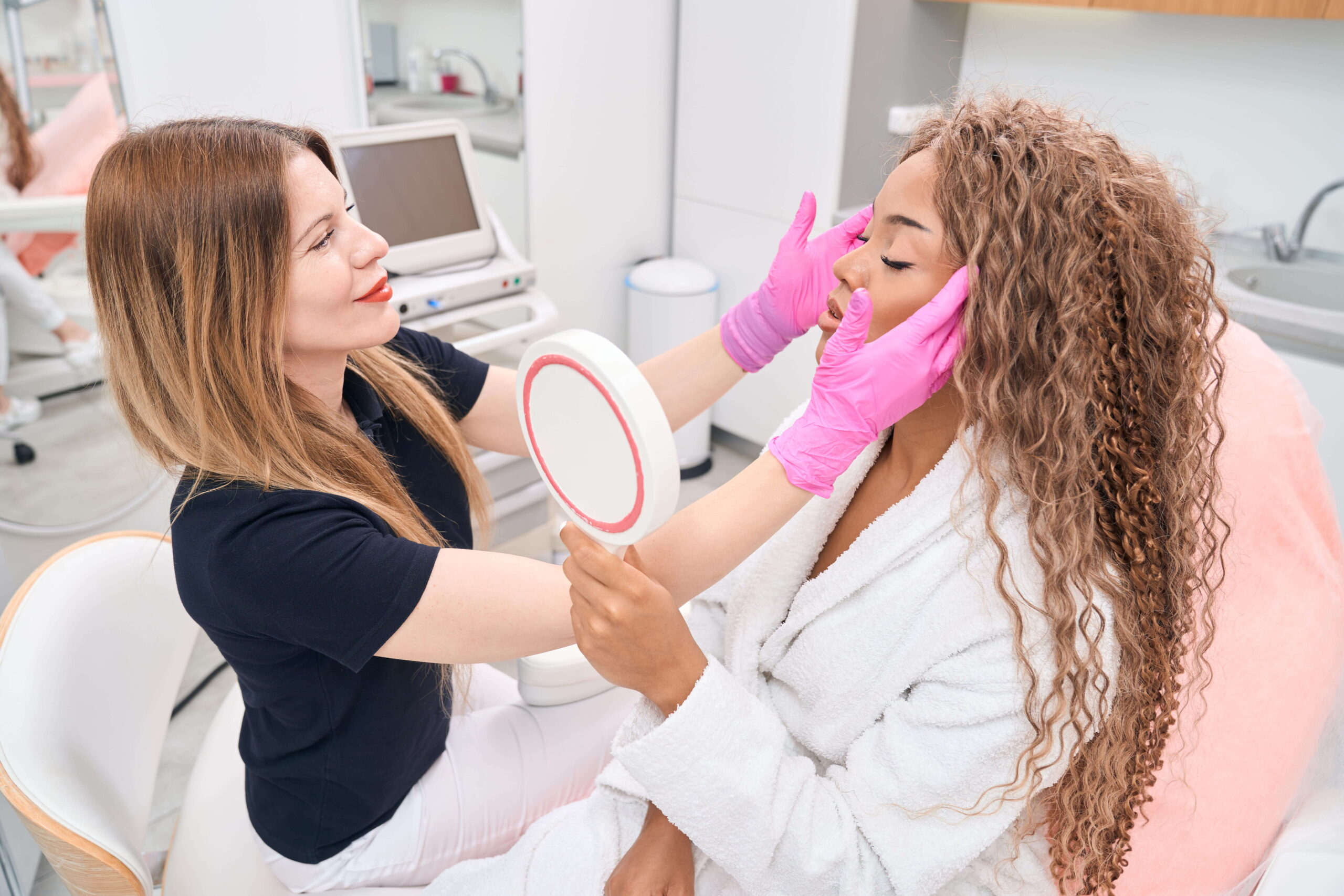

Med spa software is a practice management platform that helps aesthetic clinics manage appointments, digital consultation forms, client records, staff performance, and business reporting in one connected system. The right platform replaces the three-to-five disconnected tools most med spas currently rely on, reducing administrative friction and giving owners clearer visibility into what is driving, or limiting growth.
Let’s take a deep dive into what to look for in med spa software, how digital consultation and staff target features work in practice, and the questions to ask when comparing platforms.
Why do med spas need connected software for consultations and staff management?
According to Phorest’s qualitative research with med spa decision makers, the most common frustrations with existing software include an inability to easily access key performance metrics, constant tool-switching, and limited visibility into the full client journey. Decision makers say they want a platform that offers efficient workflows without the overhead of managing multiple vendor relationships.
For growing clinics, a connected med spa platform solves these problems by linking the client journey with the operational needs of the business. When consultation data, appointment history, staff performance, and revenue reporting all live in the same system, owners can make faster, better-informed decisions.
How do digital consultation forms improve the med spa client experience?
Digital consultation forms improve the client experience by allowing them to complete intake paperwork before their appointment. Providers arrive at the consultation already informed and clients spend their time receiving care, not filling out forms.
A consultation is one of the most consequential moments in the med spa client journey. It is where providers understand goals, discuss treatment options, build trust, and establish the foundation for a long-term relationship. When the intake process is inefficient it creates friction that undermines that first impression.
Phorest’s digital consultation forms allow med spa teams to:
- Send forms to clients before appointments so they can complete them at home
- Customize forms by treatment type, so providers receive only relevant information
- Capture consent signatures digitally and attach them to the client record
- Give providers access to client details before the consultation begins
- Reduce front desk admin and eliminate manual data entry
Phorest is HIPAA compliant, so client records, consent forms, and consultation data are stored and transmitted in line with federal requirements. It gives clinic owners confidence that their platform meets the compliance standards the industry demands.
Sisu Aesthetic Clinic, which operates across Ireland, the UK, and the US, uses Phorest’s digital consultation tools across its multi-location business: “Phorest’s digital consultation forms have significantly enhanced our client experience. The ability to pre-send forms ensures we gather all necessary information beforehand, allowing for a seamless and efficient appointment process.”
This is particularly valuable for clinics with multiple providers. When each team member can access the same complete client record, every appointment feels personal, regardless of who delivers it.
How does med spa software support treatment planning?
Med spa software supports treatment planning by keeping a client’s full history accessible in one place, so every provider can make informed, personalized recommendations without asking clients to repeat themselves.
For aesthetic clinics, consultations are not a one-time intake step. They are the starting point for a multi-treatment relationship that may span months or years. Effective treatment planning depends on understanding that full story, which is difficult when records are scattered across systems.
A connected platform brings this information together. Providers can review consultation history alongside appointment records and client communication before making recommendations. This leads to more confident treatment decisions for both the provider and the client.
Phorest’s Cheat Sheet AI takes this a step further by surfacing relevant client details automatically before each appointment. Rather than manually reviewing records, providers are briefed on previous interactions, preferences, and upsell opportunities before they walk into the room. The business impact is measurable: globally, businesses using Cheat Sheet AI have seen a 152% increase in upsell value per transaction, a 75% increase in retail sales, and a 44% increase in average ticket value.
When clients feel understood by providers who already know their goals and history they are more likely to follow through on treatment plans and return for follow-up appointments.
How does staff target setting help med spa managers?
Staff target setting helps med spa managers create measurable performance goals for individual providers and teams. Once these goals are set, they can track progress against them without relying on manual reporting.
Examples of staff targets that med spa software can track include treatment revenue goals, rebooking performance, appointment utilization rates, client retention per provider, and service category growth.
As a med spa grows, managing a team becomes more complex. Owners need visibility into how individual providers are performing, where the business has capacity, and how team output connects to overall revenue. Without the right tools, staff management tends to be reactive: managers learn about problems in conversations rather than dashboards.
Setting clear, trackable targets creates a more proactive approach. When providers can see their own progress toward defined goals, they have a concrete basis for self-improvement. When managers have the same view, they can identify where a provider might need coaching support rather than waiting for a performance issue to surface.
How does med spa reporting software help clinic owners make better decisions?
Med spa reporting software helps clinic owners answer the business questions that matter most without spending hours pulling data from multiple systems.
Reporting is consistently among the top pain points cited by med spa decision makers when evaluating their current software. Research from Phorest’s qualitative study found that many owners and operators struggle to easily access the KPIs they need on a daily basis, from appointment metrics to revenue data to retention rates. When reporting lives in a separate system from scheduling and client management, getting a complete picture requires significant manual effort.
A connected platform eliminates that friction. When consultation data, staff performance, and operational metrics are all in the same system, owners can generate meaningful reports without data wrangling. The result is faster, more confident decision-making and a clearer view of where the business is growing and where it needs attention.
What should med spas look for when comparing software platforms?
When comparing med spa software, clinics should evaluate multiple capabilities: digital consultation workflows, integrated treatment planning, staff performance management, actionable reporting, and the platform’s ability to scale with the business.
Individual features matter less than how they connect. A platform that handles booking but not reporting, or consultations but not staff targets, still requires manual work to bridge the gaps. The best med spa software creates a continuous loop from the first client touchpoint through to business performance insights.
Key questions to ask when evaluating platforms:
Does it support digital consultation workflows? Look for the ability to send forms before appointments, customize by treatment type, capture consent digitally, and connect client responses to their record automatically.
Does it improve treatment planning? Client history, consultation notes, and provider recommendations should be accessible in one view and not spread across systems.
Does it include staff management features? Managers should be able to set measurable goals, monitor provider performance, and identify coaching opportunities without relying on spreadsheets.
Does it provide reporting you can act on? The platform should surface key metrics like revenue by treatment, rebooking rates, and provider performance without requiring manual data assembly.
Can it support business growth? As clinics add providers, services, and locations, the platform should scale with them rather than becoming a bottleneck.
Is it HIPAA compliant? Any platform handling client records, consent forms, and consultation data must comply with HIPAA requirements. Phorest is HIPAA compliant and supports clinics in meeting their data protection obligations.
Build a more connected foundation for your med spa
Growing a medical spa requires more than clinical excellence. It requires systems that help teams work efficiently, give providers the context they need to deliver personalized care, and give owners the visibility they need to make smart business decisions.
Digital consultation forms reduce admin and improve the client experience from the first interaction. Treatment planning tools help providers deliver more relevant recommendations and increase appointment value. Staff targets and reporting help managers build high-performing teams and understand what is driving or holding back growth.
Phorest brings these capabilities together in one platform, purpose-built for med spas that are ready to scale without adding operational complexity.
Frequently asked questions
What is med spa software?
Med spa software is a practice management platform that helps aesthetic clinics run daily operations, including online booking, digital consultation forms, client records, staff scheduling, marketing communication, and business reporting in one connected system. Most med spas currently use between three and five separate tools to cover these functions; a dedicated platform consolidates them.
Does med spa software need to be HIPAA compliant?
Yes. Any software that stores or transmits protected health information (PHI) including client records, consultation notes, and consent forms must comply with HIPAA requirements. When evaluating platforms, confirm that the vendor is HIPAA-compliant.
What is the difference between med spa software and an EMR?
An EMR (Electronic Medical Record) system is built primarily for clinical documentation such as charting, SOAP notes, prescriptions, and medical records. Med spa software is built around business operations, covering booking, client communication, marketing, and reporting, with consultation and consent features integrated. Growing med spas often need both capabilities, or a platform that combines them.
Why are digital consultation forms important for med spas?
Digital consultation forms allow clients to complete intake paperwork before their appointment, which means providers arrive prepared rather than spending appointment time on admin. This reduces front desk workload, improves the client experience, and ensures that consent and intake information is captured digitally and connected to the client record, reducing compliance risk.
How do staff target settings work in med spa software?
Staff target settings allow managers to define measurable performance goals for individual providers or teams such as revenue targets, rebooking rates, or client retention and track progress in real time. Rather than relying on end-of-month spreadsheets, managers have ongoing visibility into performance, which creates better opportunities for coaching and early intervention.
How can med spa software improve client retention?
Connected med spa software improves client retention by giving providers access to full client history before appointments, enabling more personalized recommendations and follow-up. AI-powered tools like Phorest’s Cheat Sheet AI surface relevant client details automatically, helping providers identify rebooking and upsell opportunities during the appointment rather than after.
What should I look for when switching med spa software?
Prioritize ease of use, integrated workflows across departments, reporting depth, and data migration support. Research from Phorest’s qualitative study found that concerns around data migration, specifically the risk of losing access to past client records are among the biggest barriers to switching software. Ask potential vendors for a clear migration plan and confirm what historical data will be preserved.
Sources: Phorest MedSpa Quantitative Research NA (2025); Phorest MedSpa Qualitative Research NA (2026); Phorest Positioning for MedSpas NA.